Vintage Hiking Nature Adventure Design: A Creative Asset
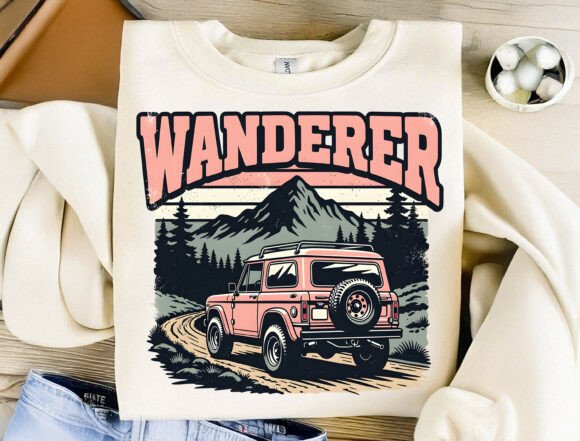
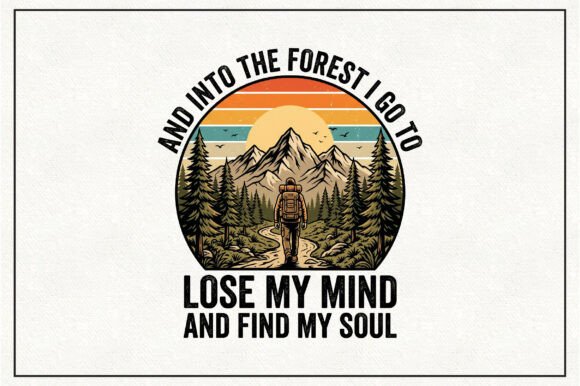
Capturing the rugged spirit of the trail with a nostalgic aesthetic, Vintage Hiking Nature Adventure Design offers a powerful toolkit for creators seeking to evoke emotion and authenticity. This specific design style, characterized by its earthy color palettes, hand-drawn typography, and classic iconography like compasses, pine trees, and mountain silhouettes, taps into a timeless visual language. It speaks to a sense of exploration, endurance, and a deep connection to the natural world, making it a versatile asset for a multitude of professional projects.
Why This Design Style Resonates Today
In an era dominated by sleek digital interfaces, the vintage outdoor aesthetic provides a human touch. It serves as an effective counterpoint to modern minimalism, offering texture, warmth, and narrative depth. For graphic design professionals, this style is not merely decorative; it's a strategic choice for visual communication. It can instantly establish a brand identity that feels trustworthy, adventurous, and grounded. The deliberate use of distressed textures, serif and slab-serif fonts, and a muted, natural color palette creates an immediate emotional connection with audiences who value heritage, sustainability, and outdoor pursuits.
Practical Applications for Designers and Creators
The utility of a well-crafted Vintage Hiking Nature Adventure Design extends across numerous creative and commercial domains. Its adaptability makes it a valuable component in any designer's library of creative assets.
- Branding and Logo Design: Ideal for outdoor apparel companies, craft breweries, coffee roasters, eco-tourism agencies, or any brand wishing to project ruggedness and authenticity. The style informs a cohesive brand identity from the logo to the full visual system.
- Marketing and Social Media Graphics: Creates compelling visuals for social media campaigns, email headers, and digital ads. The nostalgic feel can boost engagement by standing out in a crowded feed and telling a visual story.
- Packaging and Merchandise: Transforms product packaging for food, beverages, or apparel into a shelf standout. It's equally effective for merchandise like T-shirts, mugs, stickers, and tote bags, where the design becomes part of the product's appeal.
- Editorial and Web Design: Enhances magazines, blogs, and website UI design with thematic headers, icons, and background elements. It contributes to a strong visual hierarchy and a memorable user experience (UX).
- Print and Presentation Design: Adds a professional, polished touch to printed materials like postcards, posters, and business presentations, conveying a message with character and clarity.
Integrating Assets Effectively into Your Design Workflow
When incorporating clip art or design elements like the Vintage Hiking Nature Adventure set, thoughtful selection and application are key. Consider these factors to ensure they enhance rather than clutter your work:
- Consistency is Crucial: Ensure the vintage aesthetic aligns with the overall brand voice and existing design system. The elements should feel like a natural extension of the project's color palette and typographic choices.
- Scalability and Resolution: Always work with high-resolution files, such as the 300 DPI PNGs provided, to maintain quality across both digital screens and large-format print. This is non-negotiable for professional print design.
- Mastery of Visual Hierarchy: Use these designs as focal points or supporting elements, but not at the expense of readability. Balance detailed illustrations with clean, legible typography and ample white space.
- Audience Alignment: This style has a specific cultural resonance. It is most effective when your target audience shares an appreciation for nature, history, or a handcrafted ethos. Always align design choices with user expectations.
Ultimately, the power of a cohesive design style like Vintage Hiking Nature Adventure lies in its ability to tell a story without words. By carefully selecting and applying these high-quality creative assets, designers and creators can build stronger brand identities, craft more engaging user interfaces, and produce marketing materials that resonate on a deeper level. Investing in well-executed, thematic design elements streamlines the creative process and elevates the final professional presentation, turning ordinary projects into compelling visual narratives.